

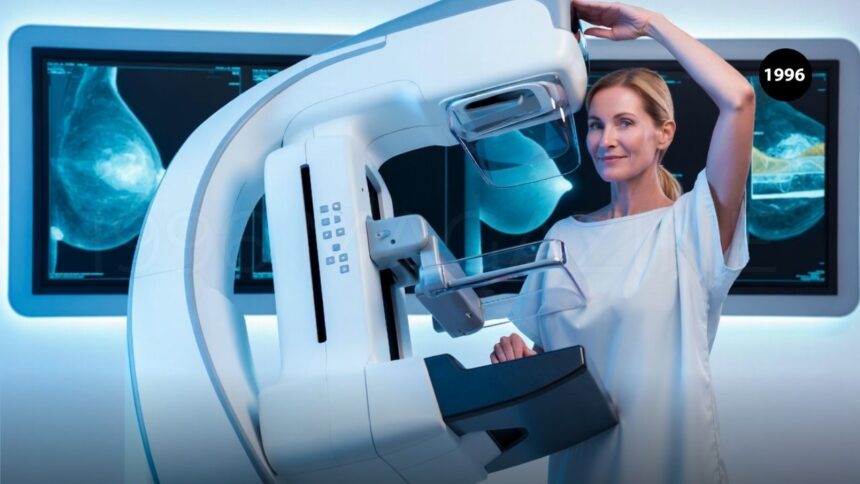
3D mammogram, also known as digital breast tomosynthesis, represents a major advancement in breast cancer detection technology. Unlike traditional 2D mammograms that capture flat images, 3D mammograms take multiple X-ray pictures from different angles to create a detailed three-dimensional view of the breast tissue. This breakthrough helps doctors see through overlapping layers of tissue that often hide small cancers or create false alarms in standard exams. In 2026, more women than ever benefit from this life-saving technology that improves accuracy and reduces unnecessary follow-up tests.
This comprehensive guide explains everything beginners need to know about 3D mammograms. You will learn how the technology works, its clear advantages over older methods, who should get screened, what the procedure feels like, and current costs with insurance coverage. Whether you are approaching your first mammogram or simply want to understand the latest screening options, this article provides clear, up-to-date information to help you make confident decisions about your breast health.
Quick Facts Table
| Attribute | Details |
|---|---|
| Full Name | Digital Breast Tomosynthesis (DBT) / 3D Mammogram |
| Primary Purpose | Early detection of breast cancer with detailed 3D images |
| Technology | Takes multiple X-ray images from different angles |
| Procedure Time | 10–20 minutes |
| Recommended Age | Starting at age 40 for average-risk women |
| Detection Improvement | 20–40% better cancer detection than 2D |
| Radiation Exposure | Slightly higher than 2D (still very low) |
| Average Cost (2026) | $200 – $600 (often covered by insurance) |
| Best For | Women with dense breasts or high risk |
| Key Benefit | Fewer false positives and callbacks |
What Is a 3D Mammogram?
A 3D mammogram uses advanced X-ray technology to capture many thin slices of breast tissue from various angles. The machine then reconstructs these images into a 3D view that doctors can scroll through like pages in a book. This method gives radiologists a much clearer picture compared to traditional flat images. Radiologists can examine each layer individually, making it easier to spot abnormalities that might hide in overlapping tissue.
This technology has become standard in many modern imaging centers worldwide. It combines the familiar mammogram experience with significantly improved diagnostic power. Women with dense breast tissue particularly benefit because dense tissue can mask cancers on 2D images. The 3D approach helps reduce both missed cancers and unnecessary anxiety from false positive results.
How 3D Mammogram Technology Works
During a 3D mammogram, the X-ray arm moves in a gentle arc over the breast while taking multiple low-dose images. These images are combined using sophisticated computer software to create a layered 3D reconstruction. Doctors review both the 3D and traditional 2D images together for the most complete assessment. The entire process feels very similar to a standard mammogram but provides much richer diagnostic information.
The technology relies on advanced detectors and powerful computing algorithms. Modern systems produce high-resolution images while keeping radiation levels safe and acceptable. Many machines now perform 3D and 2D imaging in a single compression, making the exam more efficient. This seamless integration helps radiologists detect cancers earlier and with greater confidence than ever before.
3D Mammogram vs Traditional 2D Mammogram
Traditional 2D mammograms take two flat pictures of each breast from top and side views. This method often creates overlapping shadows that can hide small cancers or suggest problems that do not exist. In contrast, 3D mammograms eliminate much of this overlap by providing multiple slices through the breast tissue. Studies consistently show that 3D technology finds more cancers, especially in women with dense breasts.
The 3D approach also significantly reduces false positive results that lead to stressful callbacks and additional testing. While 2D mammograms remain useful and widely available, 3D offers clear advantages in accuracy and patient experience. Many facilities now use both technologies together as the new standard of care. This combination gives doctors the best possible tools for early detection.
Key Benefits of 3D Mammogram
3D mammograms provide several important advantages for women seeking reliable breast cancer screening. The technology detects more invasive cancers at earlier stages when treatment outcomes are best. It particularly helps women with dense breast tissue, a common factor that makes traditional mammograms less effective. Many patients also appreciate fewer false alarms that cause unnecessary worry and procedures.
Another major benefit involves better visualization of abnormalities in complex breast tissue. Radiologists can examine suspicious areas from multiple angles without needing immediate additional imaging. This improvement leads to greater peace of mind for patients and more efficient use of healthcare resources. Overall, 3D mammography represents a meaningful step forward in preventive women’s health care.
Improved Cancer Detection Rates
Clinical studies continue to demonstrate that 3D mammograms detect 20 to 40 percent more breast cancers than traditional 2D exams. The increase is especially notable for invasive cancers that require prompt treatment. This higher detection rate gives women and their doctors more time to choose effective treatment options. Early discovery often means less aggressive therapies and better long-term survival rates.
The technology also reduces interval cancers that develop between regular screening appointments. By providing clearer images, 3D mammograms help catch problems that might otherwise go unnoticed until later stages. These improvements have made a real difference in breast cancer outcomes across many populations. Health organizations increasingly recommend 3D screening as part of routine preventive care for appropriate age groups.
Who Should Get a 3D Mammogram?
Women age 40 and older generally benefit from regular 3D mammogram screening according to current guidelines. Those with dense breast tissue, family history of breast cancer, or previous suspicious findings particularly gain from the enhanced accuracy. Women with genetic risk factors or previous breast biopsies also benefit significantly from 3D technology. Doctors often recommend starting earlier than 40 for high-risk individuals.
Even women with average risk find value in 3D screening because of reduced false positives. The technology works well for almost all breast sizes and tissue types. Talk with your doctor about your personal risk factors and screening schedule. Most experts agree that 3D mammograms offer meaningful advantages for the majority of women beginning routine screening.
3D Mammogram Age Guidelines and Recommendations
Major health organizations recommend that women with average risk begin 3D mammogram screening at age 40 and continue annually or biennially depending on individual factors. Women with higher risk may start screening earlier, sometimes as young as 30, and follow more frequent schedules. Your personal and family medical history should guide these decisions in consultation with your healthcare provider.
Guidelines continue to evolve as more long-term data becomes available. Many experts now prefer 3D over 2D for all routine screenings when available. Women in their 70s and beyond should discuss continued screening benefits with their doctors. Regular communication with your healthcare team ensures you follow the most appropriate screening plan for your age and risk level.
Step-by-Step 3D Mammogram Procedure
The 3D mammogram procedure begins with basic preparation and positioning similar to a traditional exam. A technologist carefully positions your breast on the machine platform and applies gentle compression. The X-ray arm then moves in a small arc while taking multiple images in just a few seconds. You may feel brief pressure during compression but the actual imaging happens quickly.
After one breast is complete, the technologist repeats the process for the other side. The entire appointment usually takes 10 to 20 minutes. You can resume normal activities immediately afterward with no recovery time needed. The images are sent to a radiologist for detailed review, and results typically arrive within a few days. Read more Related technology Nvidia Nemotron
Preparation Tips Before Your 3D Mammogram
Schedule your 3D mammogram when your breasts are least tender, usually right after your menstrual period. Avoid using deodorant, lotion, or powder on your underarms and breasts on the day of the exam because these products can appear on images. Wear a comfortable two-piece outfit for easy changing. Bring previous mammogram images if you are visiting a new facility.
Inform the technologist about any breast implants, symptoms, or medications you take. Relax and breathe normally during compression to minimize discomfort. These simple preparations help ensure the clearest possible images and smoothest experience. Good preparation contributes to accurate results and reduces the chance of needing repeat imaging.
Does a 3D Mammogram Hurt?
Most women describe 3D mammogram discomfort as similar to traditional mammography. The brief breast compression causes temporary pressure that many compare to a tight blood pressure cuff. The actual imaging portion lasts only a few seconds per view. Modern machines use faster imaging and optimized compression techniques that make the process more comfortable than older equipment.
Pain tolerance varies among individuals, but the vast majority of women report that any discomfort is brief and manageable. Technologists are trained to work gently while still obtaining quality images. Communicating with your technologist during the exam helps them adjust pressure for your comfort. The short duration and important health benefits make the temporary discomfort worthwhile for most women.
3D Mammogram Cost and Insurance Coverage 2026
In 2026, the average cost of a 3D mammogram ranges from $200 to $600 depending on location and facility. Most insurance plans, including Medicare, now cover 3D screening mammograms for women age 40 and older with little or no out-of-pocket cost. Some plans may require a small copay or deductible. Always check with your insurance provider before scheduling to understand your specific coverage.
Many imaging centers offer payment plans or financial assistance for uninsured patients. The slightly higher cost of 3D technology is often offset by fewer follow-up tests and earlier detections. Consider the long-term value when comparing costs. Most women find that insurance coverage makes 3D mammograms very accessible in 2026. Explore more React vs Vue
Risks and Radiation Exposure in 3D Mammography
3D mammograms use a very low dose of radiation that remains well within safe medical limits. The total radiation from a 3D exam is only slightly higher than a traditional 2D mammogram and comparable to normal background radiation exposure. Modern equipment uses advanced dose-reduction techniques that keep exposure as low as possible while maintaining image quality.
The benefits of early cancer detection far outweigh the minimal radiation risk for most women. Radiologists carefully balance image quality with safety in every exam. Pregnant women should generally avoid routine mammograms unless specifically recommended by their doctor. Overall, 3D mammography maintains an excellent safety profile while delivering superior diagnostic results.
What to Expect After a 3D Mammogram
After your 3D mammogram, you can return to normal activities immediately with no restrictions. Some women experience minor temporary breast tenderness that usually resolves within hours. Your images go to a radiologist for careful review, and you should receive results within a few days. Most facilities now offer online patient portals for quick access to reports.
If the radiologist needs additional views or ultrasound, the center will contact you promptly. The vast majority of screenings show normal results that provide peace of mind. Understanding the typical timeline helps reduce anxiety while waiting for results. Clear communication from the imaging center makes the entire experience more reassuring.
Future of 3D and Advanced Breast Imaging
The future of breast imaging looks promising with continued improvements in 3D technology and artificial intelligence assistance. Newer systems combine 3D mammography with contrast-enhanced imaging and faster processing times. AI tools help radiologists identify subtle abnormalities more consistently while reducing reading time. These advances will likely make screening even more accurate and accessible.
Researchers continue developing less invasive and even radiation-free alternatives like advanced ultrasound and MRI techniques. However, 3D mammography remains the gold standard for population-wide screening in 2026. Ongoing innovations will further improve early detection rates and patient comfort. The field continues evolving rapidly to save more lives through better technology.
Conclusion
3D mammogram technology has truly transformed breast cancer screening by offering clearer images, better detection rates, and fewer false alarms. This advanced imaging method gives women greater confidence in their screening results while helping doctors find cancers earlier when treatment works best. The technology continues improving and becoming more widely available each year.
Taking time to understand 3D mammograms empowers you to make informed decisions about your breast health. Regular screening with modern technology remains one of the most effective ways to protect yourself. Talk with your doctor about when to start and which options best suit your individual needs. Early detection through quality screening saves lives and provides valuable peace of mind.
Frequently Asked Questions
What is the main difference between 3D and 2D mammograms?
3D mammograms create multiple layered images while 2D takes only flat pictures, resulting in better cancer detection.
At what age should I start getting 3D mammograms?
Most experts recommend starting at age 40 for average-risk women, though high-risk individuals may begin earlier.
Does a 3D mammogram use more radiation?
It uses a slightly higher dose than 2D but remains very safe and well within medical guidelines.
How long does a 3D mammogram take?
The entire procedure usually takes 10 to 20 minutes.
Is 3D mammography covered by insurance?
Yes, most insurance plans including Medicare cover 3D screening mammograms for women 40 and older.
Stay More Update 1996 MAGAZINE