

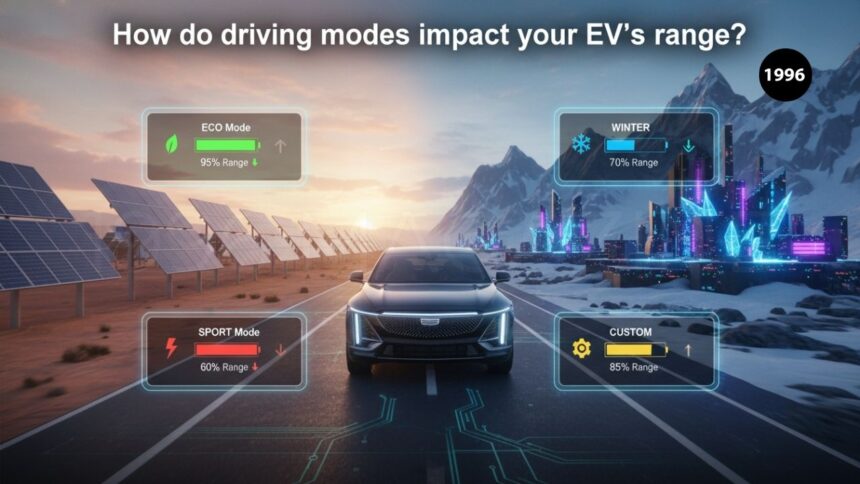
The Cadillac Lyriq has quickly become one of the most talked-about luxury electric SUVs on the market. Combining premium design, advanced technology, and impressive battery performance, the Lyriq appeals to drivers seeking both comfort and efficiency. As more consumers transition to electric vehicles, questions about battery usage and driving range have become increasingly important. One of the most common questions among potential buyers and current owners is whether the different driving modes available in the Cadillac Lyriq can significantly affect range and battery consumption.
Understanding how driving modes work is essential for maximizing the performance of any electric vehicle. The Cadillac Lyriq offers multiple driving settings designed to adapt the vehicle’s behavior to different road conditions and driver preferences. While these modes primarily adjust acceleration response, steering feel, and traction settings, they can also influence overall energy consumption. This guide explores how each driving mode affects battery usage, what factors contribute to range differences, and how drivers can optimize efficiency without sacrificing the luxury driving experience that Cadillac intended.
Quick Bio Cadillac Lyriq
| Category | Details |
|---|---|
| Vehicle Name | Cadillac Lyriq |
| Vehicle Type | Luxury All-Electric SUV |
| Manufacturer | Cadillac |
| Parent Company | General Motors |
| Powertrain | Fully Electric |
| Battery Platform | Ultium Battery Platform |
| Drivetrain Options | Rear-Wheel Drive and All-Wheel Drive |
| Estimated Range | Varies by configuration |
| Driving Modes | Tour, Sport, Snow/Ice, and Custom Settings |
| Charging Capability | AC and DC Fast Charging |
| Primary Focus | Luxury and Efficiency |
Understanding the Cadillac Lyriq Driving Modes
The Cadillac Lyriq includes multiple driving modes that help tailor the vehicle’s behavior to specific driving conditions. These modes adjust several systems, including throttle response, steering sensitivity, traction management, and regenerative braking characteristics. While they do not physically change the battery capacity, they influence how efficiently energy is used during operation. This can lead to noticeable differences in battery consumption over time.
Each mode serves a specific purpose. Tour mode focuses on balanced comfort and efficiency, Sport mode enhances responsiveness and performance, while Snow or Ice mode prioritizes stability and traction on slippery surfaces. Drivers can select the mode that best suits their needs depending on road conditions and personal preferences. Understanding these settings is the first step toward maximizing both performance and range.
How Driving Modes Affect Electric Vehicle Performance
Driving modes primarily alter how the vehicle responds to driver inputs. In an electric vehicle like the Lyriq, acceleration is controlled electronically, allowing software to adjust power delivery instantly. Aggressive driving modes provide quicker throttle response and stronger acceleration, while efficiency-focused modes promote smoother energy usage. These adjustments directly impact how much electricity the vehicle consumes during driving.
Although the battery remains unchanged, the way power is delivered can influence range outcomes. Faster acceleration generally requires more energy, especially during frequent stop-and-go driving. Conversely, smoother acceleration helps preserve battery power. This is why many EV manufacturers include different driving modes that allow users to prioritize either efficiency or performance depending on their immediate needs.
Overview of Cadillac Lyriq Battery Technology
The Cadillac Lyriq uses General Motors’ advanced Ultium battery platform, which was developed specifically for modern electric vehicles. The battery system combines high energy density with sophisticated management software designed to optimize performance, safety, and longevity. This technology enables competitive driving ranges while supporting rapid charging capabilities and strong overall vehicle performance.
Battery management software continuously monitors temperature, charging behavior, and power distribution. This intelligent system works alongside the vehicle’s driving modes to balance efficiency and performance. Although driving modes do not alter battery chemistry or capacity, they influence how the battery’s stored energy is utilized. This interaction plays an important role in determining real-world range under varying driving conditions.
Tour Mode and Its Impact on Range
Tour mode is generally considered the most balanced setting available in the Cadillac Lyriq. It prioritizes smooth acceleration, comfortable steering, and efficient energy usage. For everyday commuting and long-distance travel, this mode often provides the best combination of comfort and battery conservation. Many drivers spend most of their time using Tour mode because it delivers predictable performance without excessive energy consumption.
In real-world driving, Tour mode frequently helps maximize range by encouraging gradual acceleration and optimized power delivery. The system avoids unnecessary bursts of energy while maintaining a refined driving experience. Although range differences may not be dramatic during short trips, consistent use of Tour mode over extended distances can contribute to improved battery efficiency compared to more aggressive driving settings.
Sport Mode and Energy Consumption
Sport mode transforms the driving experience by making the Lyriq feel more responsive and dynamic. Throttle inputs become more sensitive, acceleration becomes more immediate, and steering often feels tighter. These changes enhance driver engagement and make the vehicle feel more athletic. However, this increased responsiveness typically comes with higher energy consumption.
Because Sport mode encourages stronger acceleration, the electric motors draw more power from the battery during operation. Frequent use of rapid acceleration can reduce overall efficiency and shorten available driving range. While the difference may vary depending on driving habits, drivers who regularly use Sport mode should expect slightly higher battery usage compared to more efficiency-oriented settings such as Tour mode.
Snow and Slippery Surface Driving Settings
Snow and Ice mode is designed to improve stability and control in challenging weather conditions. The system adjusts throttle sensitivity and traction management to reduce wheel spin and maintain grip on slippery surfaces. These changes help drivers maintain confidence and safety when driving on snow-covered roads, icy pavement, or wet conditions that require extra caution.
Energy consumption in Snow mode is typically not focused on maximizing range. Instead, the priority is vehicle control and predictable power delivery. Although battery usage may remain relatively efficient due to reduced acceleration aggressiveness, overall range can still decline because cold weather itself significantly impacts battery performance. Therefore, environmental conditions often play a larger role than the driving mode when operating in winter conditions.
Regenerative Braking and Battery Efficiency
Regenerative braking is one of the most important technologies contributing to electric vehicle efficiency. The Cadillac Lyriq captures energy during deceleration and sends it back to the battery instead of wasting it as heat. This process helps extend driving range, particularly in urban environments where frequent braking occurs. Regenerative braking can have a substantial impact on overall battery efficiency.
Different driving modes may influence how regenerative braking feels or responds. Some settings may allow stronger energy recovery, while others prioritize smoother transitions. Drivers who learn to maximize regenerative braking can improve range regardless of the selected driving mode. Effective use of this technology often has a greater impact on battery efficiency than switching between driving modes alone.
Acceleration Response Across Different Modes
Acceleration response is one of the most noticeable differences between driving modes in the Cadillac Lyriq. Tour mode provides smooth and predictable power delivery, while Sport mode delivers faster and more aggressive acceleration. These changes affect not only the driving experience but also the amount of energy consumed during everyday operation.
Quick acceleration requires substantial electrical power from the battery. While the Lyriq’s battery system is designed to handle these demands efficiently, repeated hard acceleration naturally increases energy consumption. Drivers seeking maximum range should prioritize smooth throttle inputs and moderate acceleration regardless of the selected mode. Driving habits often influence battery usage more than the mode itself.
Climate Control Settings and Battery Usage
Climate control systems play a significant role in electric vehicle energy consumption. Heating and cooling require power directly from the battery, which can reduce available driving range. In some situations, climate control usage may have a greater impact on battery efficiency than changing driving modes. This is particularly true during extremely hot or cold weather conditions.
The Cadillac Lyriq includes advanced climate management systems designed to balance comfort and efficiency. Drivers can improve range by using moderate temperature settings and pre-conditioning the cabin while charging. Although driving modes contribute to overall efficiency, climate control usage remains one of the most influential factors affecting real-world battery consumption and range performance.
Highway Driving Versus City Driving Efficiency
Driving environment significantly affects how much energy the Cadillac Lyriq consumes. City driving often benefits from regenerative braking because vehicles frequently slow down and stop. This recovered energy helps improve efficiency and can offset some of the battery usage associated with acceleration. As a result, urban driving sometimes delivers better efficiency than drivers expect.
Highway driving presents different challenges. Maintaining high speeds requires continuous energy output from the battery. Aerodynamic resistance increases substantially as speed rises, leading to higher energy consumption. Driving mode selection may influence efficiency slightly, but sustained highway speeds typically have a larger impact on range than switching between Tour and Sport modes during normal operation.
Factors That Influence Cadillac Lyriq Range
Driving mode is only one of many factors affecting range. Vehicle speed, weather conditions, terrain, passenger load, tire pressure, and climate control usage all contribute to overall battery consumption. Understanding these variables helps drivers develop realistic expectations regarding real-world range performance under different circumstances.
External conditions often have a greater impact than software settings. For example, cold temperatures can reduce battery efficiency, while mountainous terrain requires additional energy for climbing. Although selecting an efficient driving mode can help, range optimization requires a comprehensive approach that includes responsible driving habits and attention to environmental conditions.
Real-World Range Differences Between Driving Modes
Many drivers wonder whether switching between driving modes creates dramatic range differences. In practice, the impact is often moderate rather than extreme. Tour mode generally provides slightly better efficiency than Sport mode, but the actual difference depends heavily on driving behavior. A driver using gentle acceleration in Sport mode may consume less energy than an aggressive driver using Tour mode.
Real-world testing often shows that driving style matters more than mode selection. Consistent speeds, smooth acceleration, and effective regenerative braking contribute significantly to battery conservation. While driving modes influence vehicle behavior, they represent only one component of a larger efficiency equation. Understanding this relationship helps drivers make informed decisions about energy management.
Tips to Maximize Cadillac Lyriq Battery Life
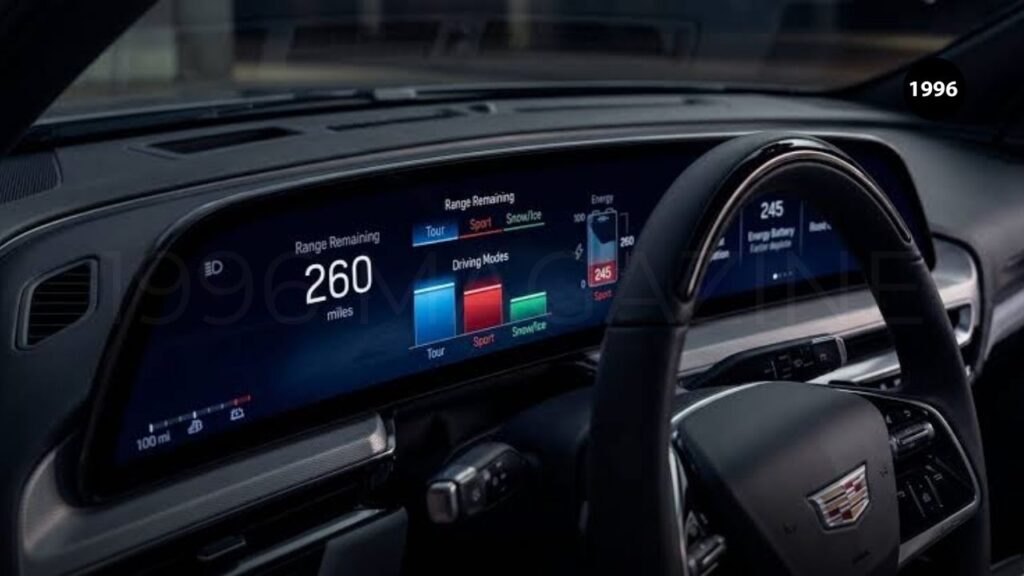
Maximizing battery life involves both short-term efficiency and long-term battery health. Drivers can improve efficiency by maintaining steady speeds, avoiding unnecessary acceleration, and using regenerative braking whenever possible. Selecting Tour mode for daily driving may also help reduce energy consumption while preserving a comfortable driving experience.
Long-term battery health benefits from responsible charging practices and proper temperature management. Avoiding frequent extreme charging cycles and following manufacturer recommendations can help maintain battery performance over time. Combining these habits with efficient driving techniques allows Lyriq owners to enjoy both strong range performance and extended battery longevity.
How Driving Habits Affect Energy Consumption
Driving habits have one of the strongest influences on battery usage. Aggressive acceleration, sudden braking, and high-speed driving can significantly increase energy consumption regardless of the selected driving mode. Conversely, smooth and deliberate driving helps conserve battery power and extend available range throughout each trip.
Many experienced electric vehicle owners focus more on driving technique than mode selection. Efficient habits such as anticipating traffic flow and maintaining consistent speeds often produce measurable improvements in range. While driving modes provide useful customization options, the driver’s behavior remains the most important factor influencing overall battery efficiency.
Comparing Cadillac Lyriq With Other Luxury EVs
The Cadillac Lyriq competes with several luxury electric SUVs that also offer selectable driving modes. Like many competitors, the Lyriq uses software-based adjustments to modify performance characteristics without changing battery capacity. Most luxury EVs follow a similar approach, balancing efficiency and responsiveness through electronically controlled power management systems.
Compared with rival models, the Lyriq delivers a strong combination of comfort, technology, and efficiency. Its driving modes function similarly to those found in other premium electric vehicles, offering flexibility for different situations. While performance settings may reduce efficiency slightly, the overall impact remains consistent with industry standards for luxury electric SUVs.
Common Misconceptions About EV Driving Modes
A common misconception is that driving modes drastically change battery range. While certain modes can influence energy consumption, the differences are usually less dramatic than many people expect. Factors such as speed, weather, and driving habits often have a much greater effect on efficiency than switching between Tour and Sport modes.
Another misunderstanding involves battery capacity. Driving modes do not increase or decrease the amount of energy stored in the battery. Instead, they modify how the vehicle uses that energy. Recognizing this distinction helps drivers better understand the relationship between performance settings and overall range outcomes. Explore more EV
The Future of Energy Management in Electric Vehicles
Electric vehicle manufacturers continue developing advanced software systems that optimize energy usage automatically. Future vehicles may use artificial intelligence and predictive analytics to adjust performance settings based on route conditions, traffic patterns, and driver preferences. These innovations could further improve efficiency without requiring manual mode selection.
The Cadillac Lyriq already demonstrates how software can enhance the electric driving experience. As technology evolves, energy management systems will likely become even more sophisticated. Future advancements may provide greater personalization while maximizing battery efficiency, helping drivers achieve longer ranges without compromising comfort or performance.
Conclusion
The driving modes in the Cadillac Lyriq do affect battery usage and range, but their impact is generally moderate rather than dramatic. Tour mode typically offers the best balance between efficiency and comfort, while Sport mode prioritizes responsiveness at the cost of slightly higher energy consumption. Snow mode focuses on safety and traction rather than maximizing range. Although these settings influence vehicle behavior, driving habits remain the most important factor affecting battery performance.
Drivers seeking the longest possible range should focus on smooth acceleration, effective regenerative braking, moderate climate control usage, and responsible speed management. Driving modes can support these goals, but they work best when combined with efficient driving practices. Understanding how each mode interacts with the vehicle’s systems allows Cadillac Lyriq owners to make informed choices and enjoy the full benefits of luxury electric driving.
Frequently Asked Questions
Do driving modes change the Cadillac Lyriq’s battery capacity?
No. Driving modes do not alter battery capacity. They only adjust how energy is used.
Which driving mode offers the best range?
Tour mode generally provides the best balance between efficiency and comfort.
Does Sport mode reduce range?
Yes. Sport mode often increases energy consumption because it encourages stronger acceleration.
Is Snow mode more efficient than Tour mode?
Not necessarily. Snow mode prioritizes traction and stability rather than maximum efficiency.
Does regenerative braking improve range?
Yes. Regenerative braking recovers energy during deceleration and helps extend driving range.
Do highway speeds affect range more than driving modes?
In most cases, yes. High speeds typically have a greater impact on efficiency than mode selection.
Stay More Update 1996 MAGAZINE