
Barbara Roufs remains one of the most recognizable personalities associated with the golden age of American drag racing. Although she was not a racer herself, her presence at major racing events during the 1970s helped make her a memorable figure in motorsport culture. As a trophy girl, Barbara became known for her distinctive style, charismatic personality, and ability to capture the spirit of an exciting era in racing history. Decades after her time in the spotlight, enthusiasts continue to search for information about her life and contributions.
The fascination surrounding Barbara Roufs extends beyond motorsports. Her story reflects a unique period in American culture when drag racing was rapidly growing in popularity and attracting large audiences across the country. Through photographs, historical records, and the memories of racing fans, Barbara’s legacy continues to endure. Understanding her life provides insight into the culture, fashion, and excitement that defined drag racing during one of its most celebrated periods.
Quick Bio Barbara Roufs
| Category | Details |
|---|---|
| Full Name | Barbara Roufs |
| Known For | Drag Racing Trophy Girl and Motorsport Personality |
| Nationality | American |
| Birth Year | 1944 |
| Birthplace | United States |
| Profession | Promotional Model and Trophy Girl |
| Industry | Motorsports |
| Famous Era | 1970s Drag Racing Scene |
| Recognition | Iconic Figure in Drag Racing Culture |
| Distinctive Feature | Signature 1970s Style and Appearance |
| Associated With | Drag Racing Events Across the United States |
Who Was Barbara Roufs
Barbara Roufs was an American promotional model and trophy girl who became closely associated with drag racing events during the 1970s. Her appearance at major competitions helped create excitement among fans and participants. At a time when motorsports were experiencing rapid growth, trophy girls played an important role in event promotion and public engagement. Barbara’s charisma and unique style made her stand out among many personalities within the racing community.
Unlike professional racers who earned recognition through competition, Barbara became famous through her visibility and connection to racing culture. Photographs from the era frequently featured her at events, helping establish her as a recognizable figure among enthusiasts. Her popularity grew alongside the sport itself, and she eventually became remembered as one of the most iconic trophy girls in drag racing history.
Early Life and Family Background
Barbara Roufs was born in the United States in 1944. While details about her early years remain relatively limited, historical accounts suggest that she grew up during a period of significant cultural change in America. The postwar decades brought new opportunities, evolving social trends, and increasing interest in automotive culture. These influences would later contribute to the environment in which Barbara gained public recognition.
Information regarding her family background remains largely private. Unlike many modern public figures, Barbara lived during a time when personal details were not constantly shared through media and social platforms. As a result, much of her early life remains undocumented. Nevertheless, understanding the historical context of her upbringing helps explain how she became connected to one of the most exciting periods in American motorsports. Explore more Kate Connelly
Growing Up During a Transformative Era
The decades leading up to Barbara Roufs’ rise to prominence were marked by significant social and cultural transformation. America experienced rapid economic growth, technological advancement, and shifting cultural attitudes. These changes influenced everything from entertainment and fashion to transportation and recreation. Automotive enthusiasm became a defining feature of the era, creating opportunities for motorsports to thrive.
Young people increasingly embraced new forms of self-expression, and racing culture reflected this energy. Cars became symbols of freedom, individuality, and innovation. Barbara grew up during this exciting period, witnessing firsthand the growing popularity of automotive events and performance culture. The environment of the 1960s and early 1970s helped shape the world in which she would eventually become a recognizable public figure.

Introduction to the Drag Racing World
Drag racing experienced remarkable growth during the late 1960s and early 1970s. Large crowds attended events to watch powerful vehicles compete in short-distance races that showcased speed, engineering, and driving skill. Organizers sought ways to enhance the entertainment experience, creating opportunities for promotional personalities who could engage with audiences and contribute to the atmosphere.
Barbara Roufs entered this environment as drag racing was reaching new heights of popularity. Her involvement helped connect fans with the excitement of race day while adding a visual element to promotional activities. Trophy girls became important ambassadors for racing events, and Barbara quickly established herself as one of the most recognizable figures in that role.
How Barbara Roufs Became a Trophy Girl
The exact circumstances that led Barbara Roufs into the role of trophy girl are not widely documented. However, her appearance, confidence, and outgoing personality made her well-suited for event promotion. Trophy girls were often selected to present awards, participate in promotional activities, and interact with fans. These responsibilities required professionalism, charisma, and the ability to represent racing organizations positively.
Barbara excelled in this role and quickly gained attention from photographers and racing enthusiasts. Her unique style aligned perfectly with the vibrant culture of the 1970s. As her visibility increased, she became associated with some of the most memorable moments and images from drag racing events. This exposure helped transform her into a celebrated figure within motorsport circles.
The Popularity of Drag Racing in the 1970s
The 1970s are often considered one of the most exciting periods in drag racing history. Events attracted thousands of spectators eager to witness high-performance vehicles competing at incredible speeds. Advances in automotive technology allowed racers to push boundaries, creating thrilling experiences for fans and participants alike.
This popularity created opportunities for individuals who contributed to the sport’s entertainment value. Trophy girls, announcers, photographers, and promoters all played roles in shaping the overall event experience. Barbara Roufs emerged during this vibrant era, benefiting from the growing public interest in racing. Her image became closely connected to the sport’s expanding popularity and cultural influence.
Barbara Roufs’ Distinctive Style and Image
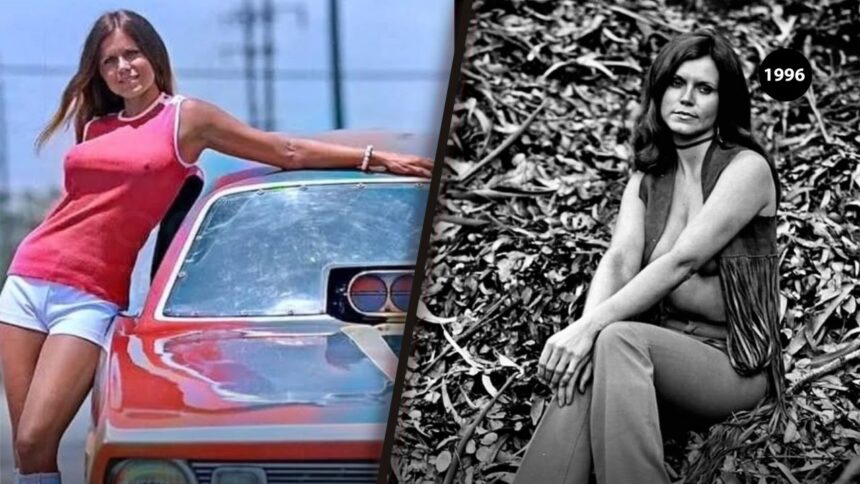
One of the primary reasons Barbara Roufs remains memorable today is her distinctive appearance. Her style reflected the fashion trends of the 1970s, a decade known for bold clothing, expressive hairstyles, and unique personal aesthetics. Photographs from racing events frequently highlighted her confident presence and unmistakable look.
Her appearance resonated with fans because it captured the spirit of the era. Rather than blending into the background, Barbara stood out through her individuality and charisma. This visual identity helped establish her as more than just a promotional model. Over time, her image became symbolic of a specific moment in drag racing history and American popular culture.
Her Role in Motorsport Culture
Barbara Roufs contributed to motorsport culture by helping create a welcoming and engaging environment for fans. Trophy girls served as important representatives of racing events, interacting with attendees and participating in promotional activities. Their presence added excitement and helped strengthen connections between audiences and the sport.
Beyond promotional duties, Barbara became part of the broader cultural identity surrounding drag racing. Fans often associated racing events with memorable personalities as much as with the competitions themselves. Her visibility and popularity ensured that she remained a recognizable figure long after many specific races had been forgotten. This enduring recognition highlights her influence within motorsport culture. Read more related article Max Dorsch
Why Fans Admired Barbara Roufs
Fans admired Barbara Roufs for several reasons. Her confidence, beauty, and enthusiasm made her a standout presence at racing events. She embodied the excitement and energy that defined drag racing during its most celebrated years. Photographs featuring Barbara often captured the optimism and vibrancy that characterized the sport at the time.
Many enthusiasts also appreciated her authenticity. She appeared genuinely connected to the racing environment rather than simply participating in promotional activities. This authenticity helped create lasting impressions among fans who attended events and later shared memories through photographs and personal stories. Her popularity continues because she represented a unique combination of style, personality, and cultural significance.
Media Attention and Public Recognition
As drag racing grew in popularity, media coverage expanded alongside it. Magazines, newspapers, and photographers documented major events, helping create public interest in both racers and supporting personalities. Barbara Roufs frequently appeared in photographs that circulated among racing communities and automotive enthusiasts.
This exposure increased her recognition beyond individual racing events. Fans began identifying her as one of the defining personalities of the era. Although social media did not exist at the time, printed publications played a similar role in building public awareness. Barbara’s consistent presence in these materials helped establish her status as a drag racing icon.
Life Beyond the Racing Track
While Barbara Roufs became famous through motorsports, her life extended beyond racing events and promotional appearances. Like many public figures, she balanced personal responsibilities with public recognition. Unfortunately, detailed information regarding many aspects of her private life remains limited, contributing to the mystery surrounding her story.
This lack of extensive documentation reflects the era in which she lived. Unlike today’s celebrities, individuals associated with sports and entertainment often maintained greater separation between public and private life. As a result, many details about Barbara’s experiences away from the track remain known only to family members and close acquaintances.
Personal Life and Relationships
Barbara Roufs maintained a relatively private personal life despite her visibility within racing circles. Public records and historical accounts provide limited information about her relationships, family life, and personal interests. This privacy has encouraged continued curiosity among researchers and fans seeking a fuller understanding of her story.
While some details remain unavailable, it is clear that Barbara valued aspects of life beyond public attention. Maintaining personal boundaries can be challenging for individuals connected to popular industries, yet she appears to have achieved a balance between public recognition and private living. This distinction contributes to the ongoing intrigue surrounding her life.
Barbara Roufs’ Lasting Impact on Drag Racing
Barbara Roufs left a lasting impression on drag racing culture through her contributions to event promotion and fan engagement. Although she never competed on the track, her role helped shape the atmosphere and identity of racing events. Many enthusiasts remember her as an important part of the sport’s golden era.
Her influence extends beyond individual memories because photographs continue introducing new generations to her story. Racing historians frequently reference her when discussing the culture and personalities that defined the 1970s. Through these efforts, Barbara remains connected to the legacy of drag racing and its enduring popularity among automotive enthusiasts.
The Legacy She Left Behind
The legacy of Barbara Roufs centers on her connection to a transformative period in motorsport history. She became an enduring symbol of drag racing culture during a time when the sport was expanding rapidly and attracting widespread attention. Her image continues to appear in historical collections, documentaries, and online discussions related to racing history.
Legacy is often measured by lasting influence, and Barbara’s continued recognition demonstrates her impact. Decades after her most visible years, enthusiasts still seek information about her life and contributions. This ongoing interest reflects the powerful role she played in representing the excitement and energy of drag racing’s golden age.
Rediscovery Through Historical Photographs
Much of the modern interest in Barbara Roufs has been fueled by historical photographs. As vintage racing images became more accessible online, new audiences discovered her story and appearance. These photographs offered visual evidence of her importance within the racing community and sparked renewed appreciation for her contributions.
Photographs possess a unique ability to preserve cultural history. Images featuring Barbara provide valuable insight into the fashion, atmosphere, and personalities of 1970s drag racing. Through these visual records, her legacy continues reaching audiences who never witnessed her appearances in person. This rediscovery has played a major role in maintaining her relevance today.
Why Barbara Roufs Still Fascinates Racing Fans
Barbara Roufs fascinates racing fans because she represents more than a single individual. She symbolizes an era characterized by excitement, innovation, and cultural change. Her story combines elements of motorsports, fashion, entertainment, and history, creating a compelling narrative that appeals to diverse audiences.
The mystery surrounding certain aspects of her life also contributes to continued interest. Limited information often inspires greater curiosity, encouraging enthusiasts to learn more about the people who shaped racing culture. Barbara’s combination of visibility and privacy ensures that she remains one of the most intriguing figures associated with drag racing history.
Remembering Barbara Roufs Today
Today, Barbara Roufs is remembered through photographs, historical articles, and discussions among motorsport enthusiasts. Her image remains closely associated with the spirit of 1970s drag racing and continues inspiring appreciation for the personalities who contributed to the sport’s popularity. Fans frequently share vintage photographs that celebrate her role within racing culture.
Remembering Barbara is also a way of preserving motorsport history. Every era is defined not only by competitors but also by the people who helped create memorable experiences for fans. Barbara Roufs occupies an important place within that history, ensuring that her contributions continue to be recognized and appreciated by future generations.
Conclusion
Barbara Roufs remains one of the most memorable personalities connected to the golden age of drag racing. Through her role as a trophy girl and promotional figure, she became an enduring symbol of a vibrant era in motorsports. Her distinctive style, engaging presence, and connection to racing culture helped establish her reputation among fans and enthusiasts throughout the 1970s.
Although much of her personal life remains private, her impact on drag racing history continues to be celebrated. Historical photographs, fan memories, and renewed interest from modern audiences have ensured that her legacy endures. Barbara Roufs represents more than a racing personality; she embodies the energy, excitement, and cultural spirit of one of motorsport’s most unforgettable periods.
Frequently Asked Questions
Who was Barbara Roufs?
Barbara Roufs was an American drag racing trophy girl and promotional model known for her popularity during the 1970s.
Why is Barbara Roufs famous?
She became famous for her role in drag racing culture and her iconic presence at racing events.
When was Barbara Roufs born?
Barbara Roufs was born in 1944.
What was Barbara Roufs known for?
She was known for being a trophy girl, promotional personality, and symbol of 1970s drag racing culture.
Did Barbara Roufs race professionally?
No, she was not a professional racer. She gained recognition through promotional and event-related activities.
Why do racing fans still remember Barbara Roufs?
Fans remember her because of her distinctive style, popularity, and connection to drag racing’s golden era.
How did Barbara Roufs become popular again?
Historical photographs shared online introduced her story to new generations of motorsport enthusiasts.
When did Barbara Roufs pass away?
Barbara Roufs passed away in 1991.
Stay More Update 1996 MAGAZINE