
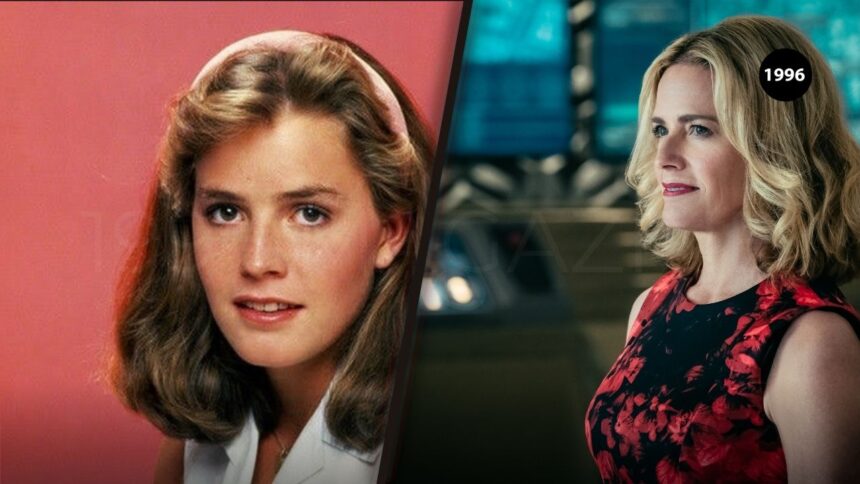
Elisabeth Shue stands as one of Hollywood’s most enduring and versatile actresses, captivating audiences for over four decades with her remarkable range and authentic performances. Born in 1963, she rose from humble beginnings to become a household name through iconic roles in beloved films and television series. Her journey reflects the classic American dream, combining raw talent with relentless determination to carve out a permanent place in entertainment history. From teenage roles to mature dramatic performances, Shue consistently demonstrated an ability to evolve with the industry while maintaining her distinctive screen presence.
Understanding Elisabeth Shue net worth requires examining her diverse career trajectory across multiple entertainment platforms and decades. She successfully navigated the transition from eighties teen films to nineties blockbusters, then reinvented herself for prestige television in the 2000s and streaming era. This adaptability ensured her relevance and financial stability in an notoriously unpredictable industry. Her wealth accumulation story offers valuable insights into sustainable celebrity finance management, strategic career choices, and the long-term benefits of versatility in Hollywood’s competitive landscape.
Quick Bio Elisabeth Judson Shue
| Attribute | Details |
|---|---|
| Full Name | Elisabeth Judson Shue |
| Date of Birth | October 6, 1963 |
| Place of Birth | Wilmington, Delaware, United States |
| Nationality | American |
| Profession | Actress, Producer |
| Years Active | 1984–present |
| Spouse | Davis Guggenheim (m. 1994) |
| Children | 3 |
| Notable Awards | BAFTA nomination, Golden Globe nomination, Oscar nomination |
| Best Known For | The Karate Kid, Back to the Future, Leaving Las Vegas, CSI |
| Estimated Net Worth 2026 | $12.5 million |
Early Life and Career Beginnings
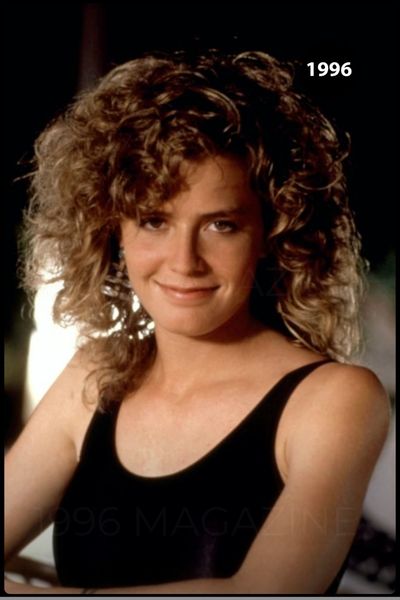
Elisabeth Judson Shue entered the world on October 6, 1963, in Wilmington, Delaware, where her father worked as a lawyer and her mother served as a banking executive. She grew up alongside three brothers in a close-knit family that valued education and personal development above material success. Her childhood revolved around sports, particularly gymnastics and soccer, which instilled discipline and competitive spirit that later benefited her acting career. Tragedy struck when she was nine years old, as her older brother William died in a swimming accident, profoundly shaping her emotional depth and resilience.
Her professional acting journey began unexpectedly while attending Wellesley College, when a friend encouraged her to audition for television commercials. She booked several notable advertisements, including spots for Burger King and Hellmann’s mayonnaise, which provided early income and industry exposure. These commercial successes built her confidence and led to her film debut in 1984, launching what would become an extraordinarily successful entertainment career spanning multiple generations of audiences.
Breakthrough Role in The Karate Kid
The year 1984 marked Elisabeth Shue’s cinematic breakthrough when she landed the role of Ali Mills in the legendary film The Karate Kid. Playing the love interest of Ralph Macchio’s character, she brought genuine warmth and relatability to the screen that resonated deeply with teenage viewers worldwide. This single role instantly elevated her from commercial actress to rising Hollywood star, opening doors to numerous opportunities in the burgeoning teen film market. The movie’s massive commercial success, grossing over $130 million globally, provided her with significant industry credibility and financial rewards.
Following this breakthrough, Shue strategically selected roles that showcased her growing acting abilities rather than pursuing every available project. She appeared in Adventures in Babysitting and Cocktail, further cementing her status as a bankable young actress with broad audience appeal. These early career decisions demonstrated her business acumen, as she balanced commercial viability with artistic growth. The financial returns from this period established her initial wealth foundation and positioned her for more lucrative opportunities in the coming decade.
Hollywood Stardom in the Nineties
The 1990s represented Elisabeth Shue’s golden era in Hollywood, where she transitioned from promising newcomer to established leading lady with remarkable grace. She carefully selected diverse roles that challenged her creatively while maintaining strong box office potential, a strategy that distinguished her from contemporaries who became typecast. Her performances during this period displayed increasing emotional complexity and maturity, earning respect from critics and industry professionals alike. This decade solidified her reputation as an actress capable of carrying major studio productions.
Financially, the nineties brought substantial rewards through escalating salaries and backend participation deals on successful films. She commanded increasingly impressive paychecks as her star power grew, with studios recognizing her ability to attract both male and female audiences. Her career management during this period reflected sophisticated understanding of Hollywood economics, as she negotiated favorable contracts and diversified her income streams. The wealth accumulated during these peak earning years provided long-term financial security and investment capital.
Back to the Future Part II and Part III Success
Elisabeth Shue’s casting as Jennifer Parker in Back to the Future Part II and Part III represented a career-defining moment with significant financial implications. Replacing Claudia Wells from the original film, she brought fresh energy to the beloved franchise while honoring its established legacy. These sequels grossed over $600 million combined worldwide, generating substantial backend earnings for principal cast members. Her participation in such a culturally significant franchise enhanced her marketability for decades to come.
The Back to the Future trilogy’s enduring popularity created ongoing residual income through home video sales, television syndication, and streaming licensing. These passive revenue streams contributed meaningfully to Elisabeth Shue net worth without requiring additional work. The franchise’s cultural impact also maintained her public profile between major projects, preserving her negotiating power for future roles. This experience illustrated how strategic franchise participation generates long-term financial benefits beyond initial compensation. Read more Vicky Pattison
Leaving Las Vegas and Oscar Recognition
Elisabeth Shue delivered the performance of her career in 1995’s Leaving Las Vegas, portraying a hardened prostitute who forms an unlikely bond with a suicidal alcoholic. Her raw, vulnerable performance earned her Academy Award, Golden Globe, and BAFTA nominations, validating her dramatic capabilities among Hollywood’s elite. This critical recognition transformed industry perception of her abilities, leading to offers for more sophisticated and challenging roles. The prestige associated with Oscar contention significantly increased her market value and earning potential.
The financial impact of this critical success extended far beyond the film’s modest budget and box office returns. Award recognition elevated her quote for subsequent projects, allowing her to command premium salaries for dramatic roles. Industry respect opened doors to independent films and prestige projects that might otherwise have remained inaccessible. This period demonstrated how critical acclaim translates directly into enhanced earning capacity and career longevity in competitive entertainment markets.
Television Career and CSI: Crime Scene Investigation
Elisabeth Shue made a strategic pivot to television in the late 2000s, joining CSI: Crime Scene Investigation as Julie Finlay during its twelfth season. This move proved financially astute, as television series regulars earn substantial salaries with greater stability than film actors experience. She reportedly earned approximately $100,000 per episode during her CSI tenure, generating over $2 million annually from this single project. The role introduced her to younger demographics unfamiliar with her film work while providing consistent income.
Her television transition reflected broader industry evolution, as prestige television increasingly attracted major film stars with lucrative compensation packages. CSI’s massive global audience expanded her international recognition and created additional revenue through syndication residuals. This period also allowed her to maintain professional momentum while raising her three children, demonstrating work-life balance possibilities in demanding entertainment careers. The financial security from television work provided foundation for selective film choices in subsequent years.
The Boys and Recent Streaming Projects
Elisabeth Shue embraced the streaming era by joining Amazon Prime’s hit series The Boys as Madelyn Stillwell, the morally compromised Vice President of Vought International. Her performance brought gravitas and complexity to the satirical superhero drama, earning praise from critics and viewers alike. Streaming platforms typically offer competitive compensation to attract established stars, and her participation reflected continued industry relevance and marketability. The show’s massive global success introduced her to new generations of viewers unfamiliar with her earlier work.
Recent years have seen Shue selectively choose projects that balance creative fulfillment with financial rewards, including films like Greyhound alongside Tom Hanks. These strategic appearances maintain her industry presence while allowing personal flexibility and family time. Streaming residuals and international licensing deals create ongoing passive income from successful projects. Her continued relevance in contemporary entertainment demonstrates remarkable career sustainability and adaptive financial management.
Elisabeth Shue Net Worth in 2026

Current estimates place Elisabeth Shue net worth at approximately $12.5 million in 2026, reflecting decades of strategic career decisions and prudent financial management. This figure encompasses earnings from over forty film and television projects, residuals, endorsements, and investment returns accumulated across her extensive career. While modest compared to some contemporaries, this wealth represents sustainable financial security built through consistent work rather than fleeting blockbuster paydays. Her diversified income sources provide stability against industry volatility and economic uncertainty.
The composition of her wealth reflects sophisticated financial planning, with significant portions allocated to real estate and conservative investments rather than high-risk ventures. Residual income from her extensive filmography continues generating meaningful annual returns without active participation. Her net worth trajectory demonstrates how longevity and adaptability often outperform short-term earnings maximization in entertainment careers. This financial profile offers valuable lessons for emerging performers regarding sustainable wealth building strategies. Explore more Sarah Jade
Real Estate Investments and Property Portfolio
Elisabeth Shue and her husband, director Davis Guggenheim, have strategically invested in premium real estate across desirable California locations. Their property portfolio includes a significant residence in Los Angeles’ prestigious Brentwood neighborhood, purchased for approximately $1.6 million and now valued substantially higher due to market appreciation. Real estate investments have historically provided celebrities with tangible assets that appreciate reliably while offering privacy and lifestyle benefits. These holdings represent substantial portions of their combined net worth beyond liquid entertainment earnings.
The couple’s property investments reflect conservative financial philosophy prioritizing long-term appreciation over speculative ventures. California’s robust real estate market has rewarded their patience with significant value increases across their holdings. Property ownership also provides tax advantages and wealth preservation mechanisms unavailable through other investment vehicles. Their real estate strategy illustrates how entertainment industry earnings can translate into lasting generational wealth through prudent asset allocation.
Endorsements and Brand Collaborations
Throughout her career, Elisabeth Shue has maintained selective approach to commercial endorsements, partnering only with brands aligning with her personal values and public image. Early commercial work in Burger King advertisements provided foundational industry experience and initial income. Later partnerships included skincare and lifestyle brands targeting her demographic of sophisticated, mature women. These collaborations generated additional revenue streams without compromising her artistic credibility or professional reputation.
Her endorsement strategy prioritized authenticity over maximum compensation, ensuring brand partnerships enhanced rather than diminished her public perception. Selectivity maintained exclusivity and premium positioning for future collaboration opportunities. While not her primary income source, endorsements supplemented entertainment earnings during career transitions and family-focused periods. This balanced approach to commercial work preserved her artistic integrity while maximizing overall financial returns.
Personal Life and Family Background
Elisabeth Shue married acclaimed documentary director Davis Guggenheim in 1994, creating a Hollywood power couple with combined creative and financial influence. Their marriage has produced three children while maintaining successful individual careers in entertainment industry. Family priorities have influenced her professional choices, leading to selective project selection and periodic career slowdowns. This balance between personal fulfillment and professional achievement reflects evolving industry attitudes toward working parents.
Her personal experiences, including childhood tragedy and family challenges, have informed her performances with authentic emotional depth. She has openly discussed how personal loss shaped her worldview and artistic approach, creating genuine audience connection. Family stability provided foundation for professional risk-taking and creative exploration throughout her career. These personal elements contribute to her enduring public appeal and professional longevity beyond typical Hollywood career spans.
Awards and Industry Recognition
Elisabeth Shue’s trophy case includes Academy Award, Golden Globe, and BAFTA nominations for Leaving Las Vegas, establishing her among her generation’s most respected actresses. She received additional recognition from the National Society of Film Critics and Independent Spirit Awards for various performances. These honors elevated her industry standing and directly influenced her earning capacity for subsequent projects. Award recognition also validated her transition from commercial actress to serious dramatic performer.
Beyond competitive awards, she has received lifetime achievement recognition from various film festivals and industry organizations. These honors acknowledge her contributions to cinema across multiple decades and genres. Industry respect translates into continued employment opportunities and favorable contract terms unavailable to less recognized performers. Her awards trajectory illustrates how critical validation sustains careers and financial viability in entertainment’s competitive environment.
Conclusion
Elisabeth Shue net worth in 2026 reflects remarkable career longevity built upon talent, strategic decision-making, and adaptive professional evolution. From her commercial beginnings through blockbuster franchises, prestige dramas, and streaming series, she consistently demonstrated ability to reinvent herself while maintaining financial stability. Her estimated $12.5 million fortune represents sustainable wealth accumulated through diverse income streams rather than single breakthrough moment. This financial profile offers compelling model for entertainment industry professionals seeking career sustainability.
Her journey from Delaware teenager to Hollywood icon illustrates how perseverance, versatility, and intelligent career management create lasting success. She navigated industry transitions that eliminated many contemporaries, emerging relevant across multiple entertainment eras. The combination of active earnings, passive residuals, and strategic investments provides financial security extending well beyond active performing years. Elisabeth Shue’s wealth story ultimately celebrates intelligent persistence and authentic artistry in commercial entertainment landscape.
Frequently Asked Questions
What is Elisabeth Shue’s current net worth? Elisabeth Shue’s estimated net worth in 2026 is approximately $12.5 million, accumulated through her extensive film and television career.
How did Elisabeth Shue become famous? She gained initial fame through her role as Ali Mills in The Karate Kid (1984), which launched her into major Hollywood stardom.
What is Elisabeth Shue’s most acclaimed performance? Her role as Sera in Leaving Las Vegas (1995) earned her Oscar, Golden Globe, and BAFTA nominations for Best Actress.
How much did Elisabeth Shue earn from CSI? She reportedly earned approximately $100,000 per episode during her time on CSI: Crime Scene Investigation.
Who is Elisabeth Shue married to? She has been married to documentary director Davis Guggenheim since 1994, and they have three children together.
What recent projects has Elisabeth Shue appeared in? She notably starred as Madelyn Stillwell in Amazon Prime’s hit series The Boys and appeared in the film Greyhound.
Does Elisabeth Shue still act regularly? Yes, she continues to select projects strategically, balancing creative fulfillment with family priorities and financial considerations.
Stay More Update 1996 MAGAZINE